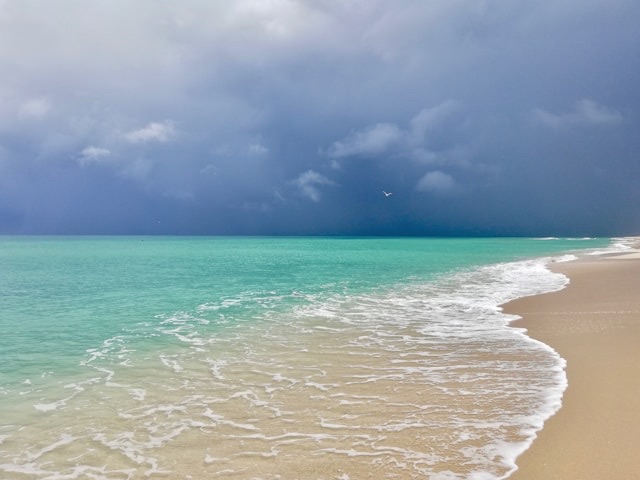
Growing up in Miami, I got used to storms. Fast ones. I could smell the rain coming. It was a distinct scent that clung to the screen door. A storm was on the way and would arrive within minutes.
In the summer, we could count on a daily afternoon storm. It blew in quickly from the ocean, with lots of dark rolling clouds, thunder, and lightning. We ran for cover inside.
After 15 minutes of fury, the storm had already left Miami behind and blown out to the Everglades. The sun returned. We were back outside, running around in our flip-flops as if nothing had happened.

Even though the storms were quick, the lightning wasn’t anything to mess with. Miami lightning was fierce. We took serious precautions.
I’ve lived in other places since then, where lightning isn’t taken so seriously unless a severe lightning warning is issued. But growing up in Miami, every lightning bolt brought its own warning.
If we were in the pool or in the ocean and lightning was spotted, we’d get out really quickly. We didn’t wait for it to strike twice. If we were outside, lightning meant get into shelter immediately.
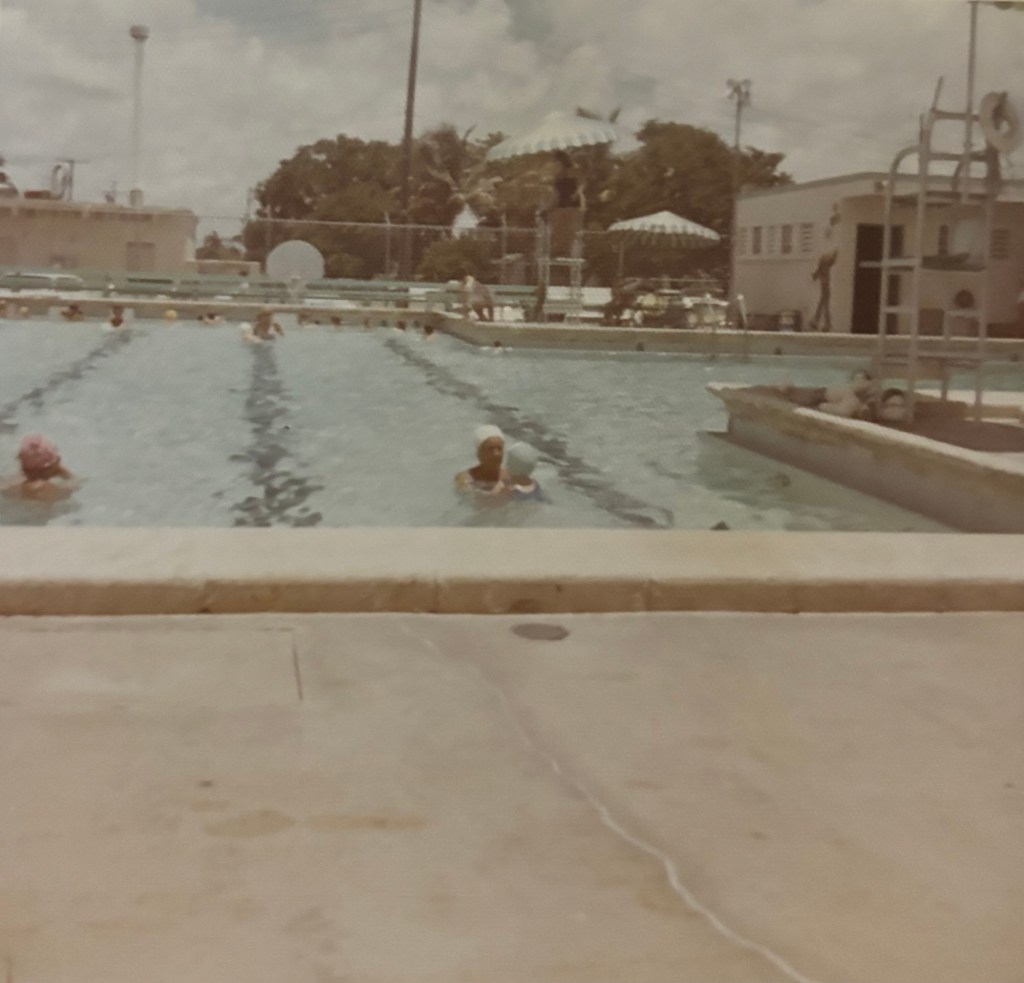
I used to take swimming lessons at the Thomas Sasso pool in North Miami. We had a lifeguard named Jesse. She didn’t mess with lightning. If she saw even the first hint of lightning in the distance, she blew that whistle.
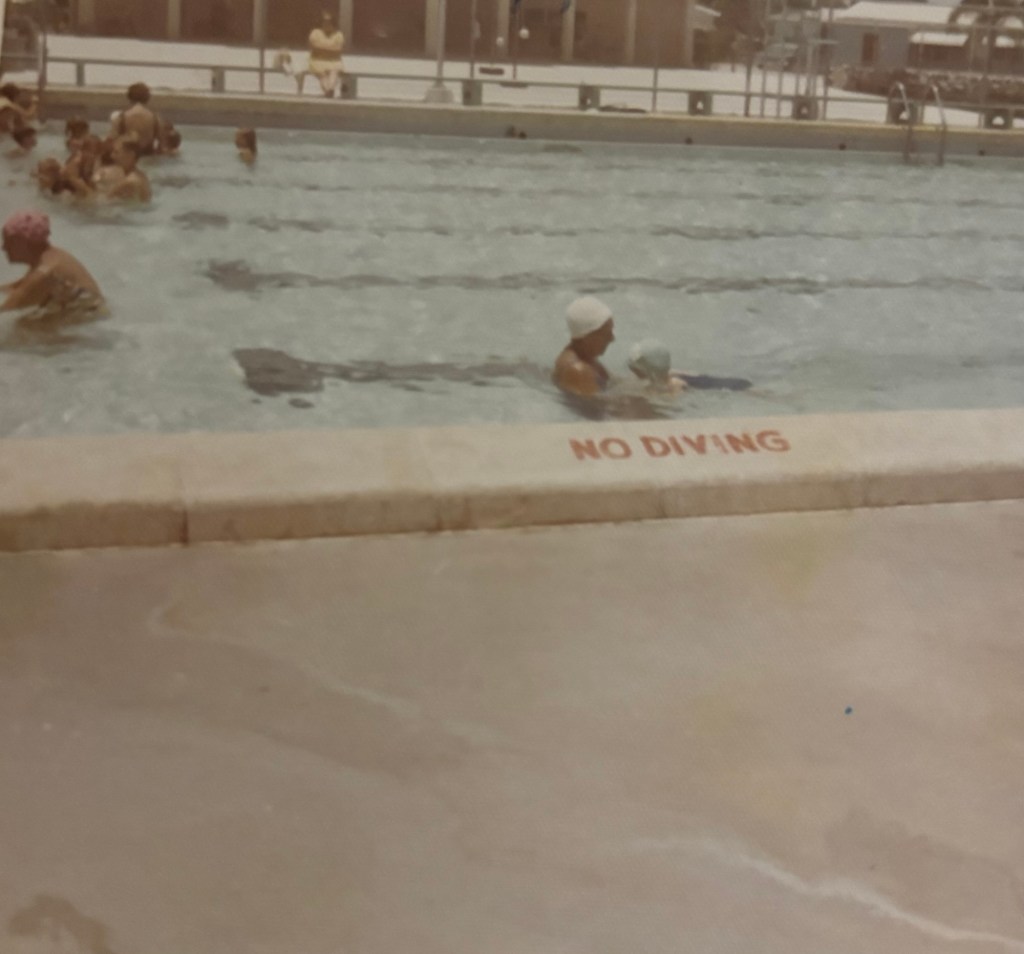
When we heard Jesse’s whistle, we made a beeline for the steps. She made sure that pool was cleared immediately. I think we reacted to her authority even more than to the lightning. No one wanted Jesse dragging them out of the pool. That was a quick way to lose swimming privileges. While she may have been intimidating, Jesse no doubt saved lives.
Besides, it was no big deal to get out of the pool and wait out the storm. Fifteen minutes later, the sun was out and the sky was clear. We were back swimming again.
In Miami in the 1970s, my mom, Joy, had a washing machine but no dryer. She hung the clothes out to dry on our backyard clothesline. Those storms came up so fast that a common sight was rain coming down, and my mom scrambling to pull the clothes off the line.
In first grade, I had a workbook at school that asked us to put pictures into the right sequence. One exercise had four pictures: a sunny day with a woman hanging clothes on the line; storm clouds gathering; the woman removing the clothes from the line; and rain falling. The pictures were in a random order, and I was supposed to number them in their proper order.
I was marked off on that lesson, and that was unusual for me. I usually got those types of things right. My mom asked to see why I was marked off, and I showed her. She laughed.
Here is the order I had put the pictures in: sunny day with woman hanging clothes on the line; storm clouds gathering; rain falling; woman removing clothes from the line.

In an ideal world—the world of the textbook authors, who clearly weren’t from Miami—the woman was supposed to remove the clothes from the line before the rain started falling. But that wasn’t reality in Miami, and it certainly wasn’t the way things worked in my mom’s world.
My mom went to talk to my teacher and make the case that I did the assignment correctly. She told my teacher that what I saw at home was rain coming down, and my mom running out in the rain, scrambling to get the clothes off the line. Every single time.
“That’s the reality Janet sees every week,” my mom said. “She is absolutely right about the order of those pictures at our house.”
The teacher smiled and changed my grade accordingly.
Those are my memories of rain blowing through Miami. The rain never stayed long, but it left impressions—in the air, on the screen door, in the swimming pool, on the clothesline, and in the memories I still carry.
 Exploring Generations